
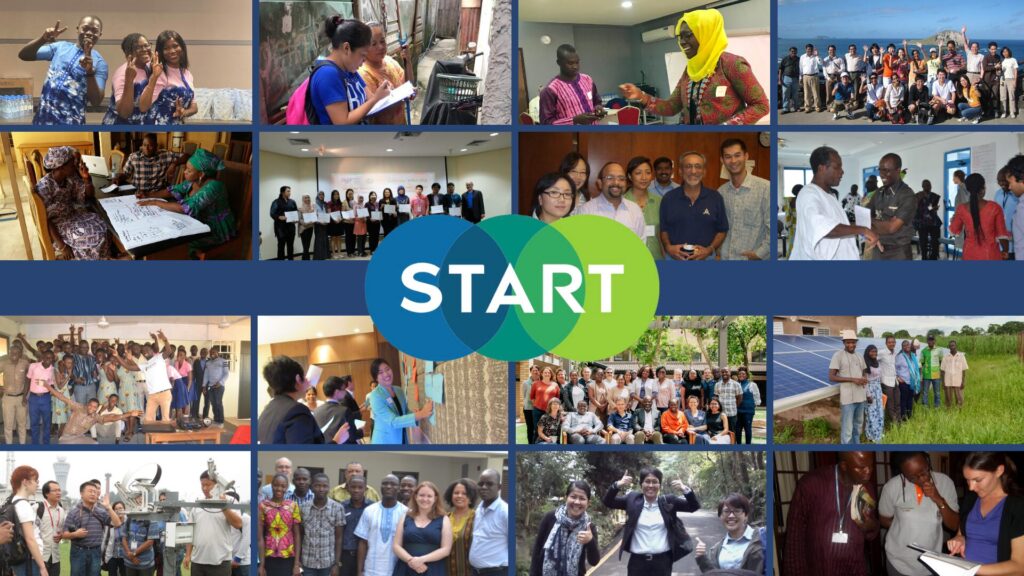
This site highlights START’s achievements from its founding in 1992 until its closure in 2026. It is a partial archive of key moments in START’s long history, not an exhaustive catalogue.
START was created in the wake of the first Rio Earth Convention. It came into being in the early years of the IPCC and slightly preceded the establishment of the UNFCCC. START was created under the aegis of the then International Council of Scientific Unions and was sponsored by the International Geosphere-Biosphere Program and the World Climate Research Program. START received significant levels of core operational support from the US government through the US Global Change Research Program (USGCRP). START stopped in 2026, a casualty of the war on science, and particularly climate science, waged by the Trump administration during its second term.
START’S work focused on strengthening scientific capacities in Africa and Asia for addressing climate and global environmental change. Through our long-term presence in Africa and Asia, START helped to elevate the role of science in informing national and regional efforts to address global change risks, as well as increasing the visibility and impact of researchers from these regions in shaping global responses to critical challenges. The issues to which START provided capacity development expertise over the years are numerous and varied. They include disaster risk reduction and adaptation in Asian cities, climate-energy-water nexus and climate-health outcomes in African cities, adaptation in semi-arid systems, and climate finance to upscale adaptation.
START’s legacy lives on, through its contribution to innovative capacity development, deep reach into scientific communities in Africa, Asia and beyond, elevation of African and Asian scientists into the IPCC, and through the thousands of program alumni over the past 34 years, who have had their careers advanced through their interaction with START.
Testimonials
“START changed my perspective; now I see planning as a key tool for development.”
Building confidence and networks for urban planning in Asia
Building stronger, more resilient communities in the Philippines
Connecting local to regional and international research processes
Developing leadership in climate change adaptation in India
How can earth observations promote pathways for more sustainable development?
How can satellite data help public officials better understand and manage Eswatini’s fires?
Learning to Thrive in Transdisciplinary Research Spaces- An update on the CASCADE Leadership Course
MaghLag: fostering collaboration on coastal lagoons in North Africa
Making decisions in times of uncertainty, How farmers in Mali are adapting to climate change
Pioneering new approaches to tackle urban flooding in Lusaka
Program Spotlights
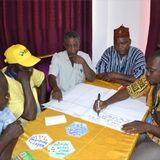
Adaptation at Scale in Semi-arid Regions (ASSAR)

African Climate Change Fellowship Program (ACCFP)
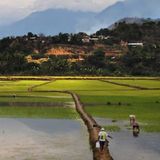
The Assessments of Impacts and Adaptation to Climate Change (AIACC)

Assessments on urban and peri-urban agriculture

Cascading Climate and Health Risks in African Cities (CASCADE)

Cities at Risk
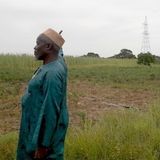
Collaboration For Adaptation and Resilience in Mali (Co-FARM)
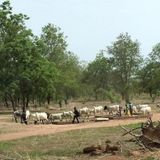
Digital Agricultural Services to Improve the Livelihoods of Communities (DigitAL)
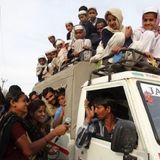
Disaster Risk Reduction and Climate Change Adaptation in South Asia
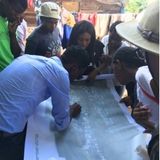
Educational Partnerships for Innovation in Communities – Network (EPIC-N)

Future Resilience for African Cities and Lands (FRACTAL)
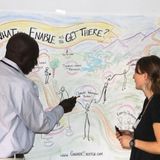
Grants for Global Environmental Change (GEC) Research in Africa

Global Observations of Forest Cover and Land-Use Dynamics (GOFC-GOLD)
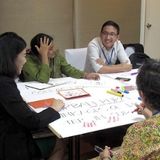
Pan-Asia Risk Reduction Fellowship Program (PARR)
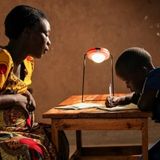
Promoting Gains in Renewable Energy (Pro-GREEN)
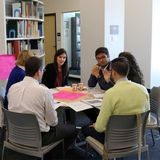
Transdisciplinary Research Training
